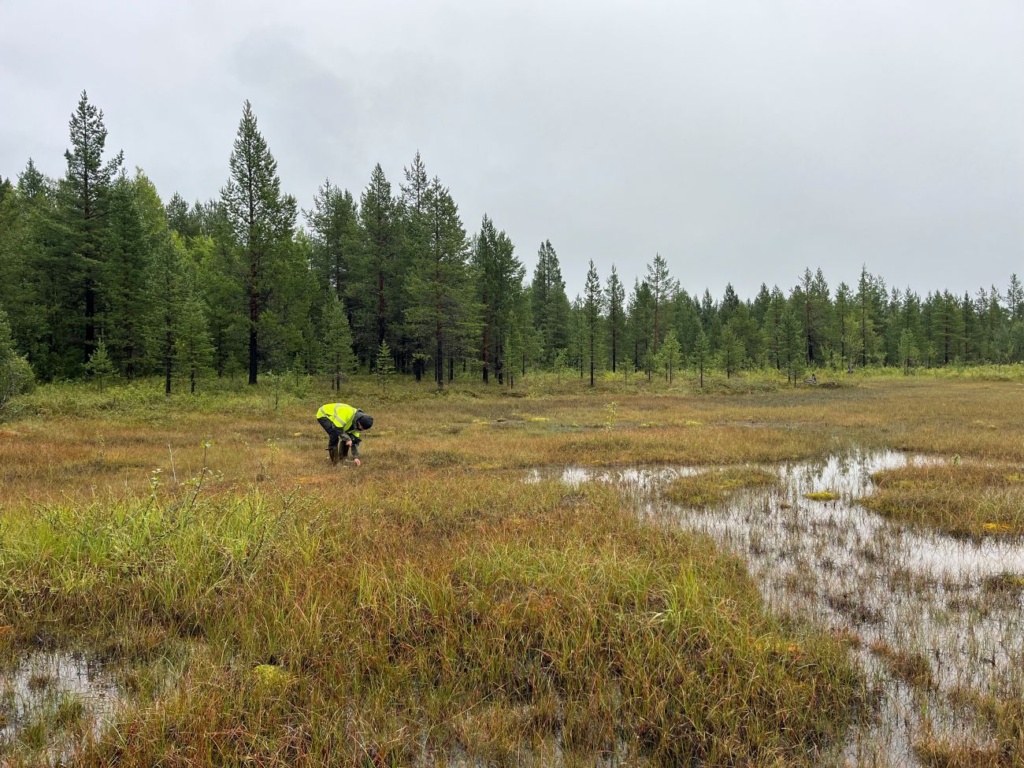
Ahead of the reopening of the Sydvaranger mine, Grangex is conducting an extensive environmental survey of plant and animal life. The aim is to understand the current state of nature and minimise the impact of future operations.
“The surveys help us establish a clear baseline. This gives us an important foundation for monitoring environmental impacts during future mining operations and determining when measures are needed,” says Jenny Eriksson, Head of Environment and Sustainability at Grangex.
The results from the surveys form part of a comprehensive impact assessment – an environmental and social analysis that compiles both historical studies and new data. The full assessment is scheduled for completion at the end of 2025.
“The assessment will also provide important information for stakeholders who want insight into how we plan and work with sustainability,” Jenny adds.
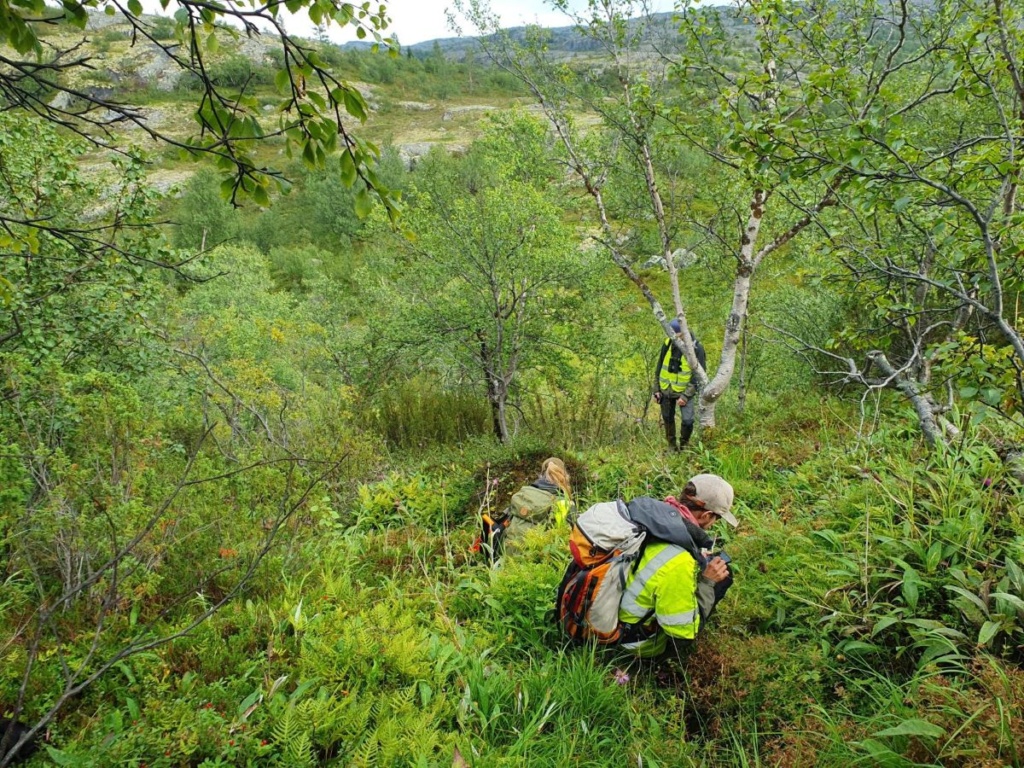

Surveys on Land and in Water
Grangex has engaged external experts for these surveys, which cover both terrestrial and aquatic environments. On land, the team examined natural areas, wetlands, and sites already influenced by human activity. The documentation included red-listed, protected, and alien species among plants, mosses, lichens, and fungi.
The survey follows the Norwegian Environment Agency’s Nature in Norway (NiN) system – a standardised method for classifying habitat types.
Studies Below the Surface
In lakes, fjords, and marine areas, various methods were used to assess ecological status, all in accordance with Norwegian standards. One example is sampling of bottom-dwelling animals in Langfjorden using a van Veen grab – equipment so heavy that both a crane and a winch were needed to operate it from the surface. The presence of different species in the samples is then used to assess environmental conditions at the site.
To study the occurrence of the European eel in the area, eDNA technology was used – a method in which water samples are analysed for genetic traces of the eel’s DNA.
Responsibility in Practice
For Grangex, environmental work is a fundamental prerequisite for sustainable mining.
“Everyone knows that mining affects the environment. Our goal is to limit that impact as much as possible and implement the right measures where needed. These surveys are an important part of that work,” Jenny concludes.
The surveys conducted by Grangex during 2025 complement earlier environmental studies in the area surrounding Sydvaranger. The areas examined included:
Periphyton and benthic invertebrates in aquatic environments
European eel – a species threatened in much of Europe
Freshwater pearl mussel – a red-listed species sensitive to disturbance
Mapping of habitat types and plant species