
GRANGEX develops projects for the extraction, and recycling of minerals.
Our goal is to contribute to a sustainable society by responsibly supplying the minerals needed for the green transition of the steel industry.

Steel Industry and the Green Transition
Transforming the iron and steel industry is essential to reducing society’s carbon dioxide emissions. Today, the sector accounts for around 7 per cent of global greenhouse gas emissions, with one of the main contributors being the reduction process that converts iron ore into refined iron products.
The traditional reduction process takes place in blast furnaces, where coal is used to bind the oxygen in the iron ore and purify the iron. Coal is one of the materials that generates the highest levels of carbon dioxide emissions. To reduce the climate impact of production and reduction processes, many companies have therefore initiated development projects and new methods in recent years, using innovative technologies to lower emissions.
Left: finely crushed iron ore 55%. Right: Grangex high-grade iron ore concentrate 68%.
High-quality iron ore lays the foundation for carbon-free steel
Today, hydrogen-based direct reduction (DRI) is the most advanced and cost-effective technology in the field. In the DRI process, coal is replaced by hydrogen, meaning that water is produced instead of carbon dioxide as the by-product. Steelmaking using DRI therefore results in a minimal climate footprint, but the technology places high demands on the quality of the iron ore.
When the right quality is in short supply
Hydrogen-based direct reduction requires iron ore with an iron content exceeding 67 per cent. Today, only around 4 per cent of the world’s iron ore meets this threshold. While high-grade iron ore concentrate plays a key role in the transition towards fossil-free steel production, it is therefore expected to become a scarce resource in the future.
Grangex’s role in the transition
Through our mineral extraction projects in Sweden and Norway, Grangex will contribute iron ore concentrate with an iron content of 68–70 per cent—levels that meet and even exceed the quality requirements for hydrogen-based DRI.
From production at the Sydvaranger mine in Norway alone, we will enable a reduction in carbon dioxide emissions from the steel industry of more than 4 million tonnes per year.
Articles on Grangex’s sustainability work
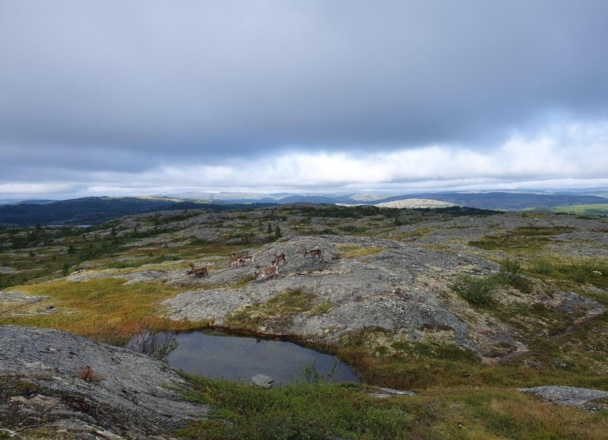
Preparations for a responsible mine start-up
Ahead of the restart of the Sydvaranger mine, Grangex has carried out an environmental baseline assessment. The purpose is to understand the current state of the natural environment and to minimise impacts from future operations.
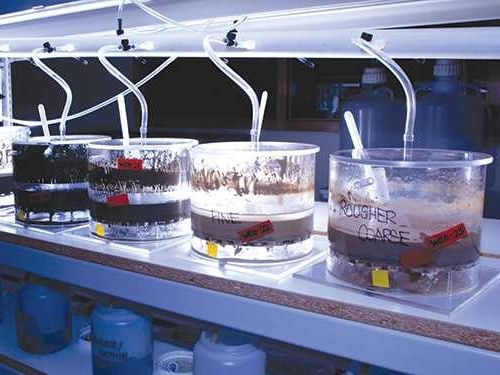
From drill core to closure and rehabilitation
With support of the consultancy firm Geosyntec, GRANGEX has assessed the impacts of waste rock and tailings from the Sydvaranger mine.
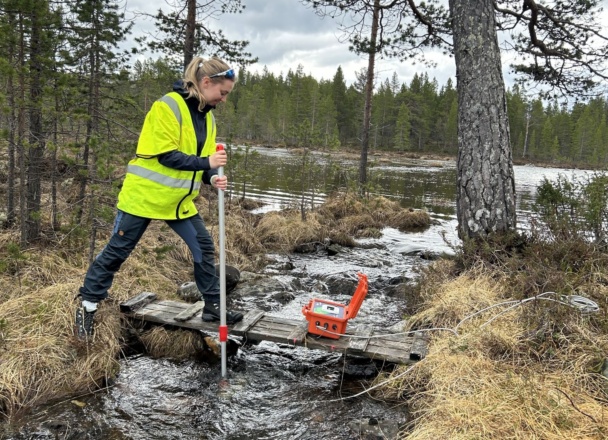
Water in focus at Sydvaranger
How will the water around Sydvaranger be affected when the mine is brought into operation? This is one of the questions the consultancy firm Geosyntec has helped Grangex to address. Analyses, training, and updated monitoring programmes are intended to support the long-term and responsible operation of Sydvaranger.
GRANGEX’s sustainability strategy consists of four main areas:

Environment & Climate
Grangex works to develop sustainable projects where we minimize environmental impact both within our own operations and throughout our value chain.

Sustainability Governance
Grangex’s sustainability governance is under development and will be an integrated part of the company’s mining development projects.

Sustainable Workplace
Grangex aims to provide a sustainable workplace, free from serious accidents and built on a corporate culture where safety is never compromised. Our workplaces should be environments where employees and partners can thrive and grow.

Community
By actively engaging with the local communities where we operate, Grangex hopes to promote stability and positive development.