How will the water around Sydvaranger be affected when the mine resumes operations? This is one of the questions that the consulting firm Geosyntec is helping Grangex answer. Analyses, training, and updated monitoring programs will help ensure that environmental impact is kept under control and that the mine can operate sustainably and over the long term.
The collaboration with Geosyntec is a key part of Grangex’s feasibility study and Environmental Impact Assessment (EIA) for Sydvaranger. The focus is on how local water bodies are affected – both when the open pits are dewatered in preparation for the restart and in water management throughout the entire lifespan of the mine.
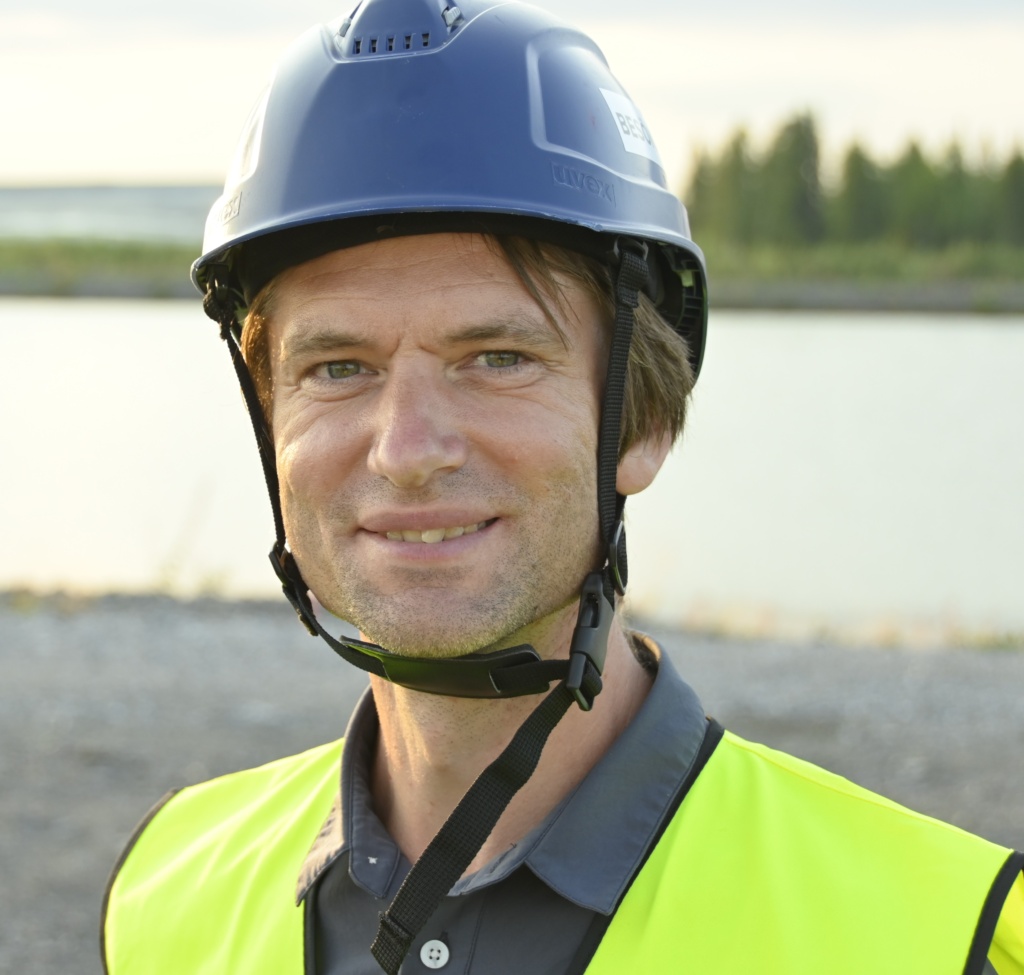
— The area surrounding the mine contains many watercourses, and even though the bedrock here is “gentle,” meaning it doesn’t contain high levels of heavy metals or similar substances, we still need a solid understanding of both the water we will discharge and how surrounding recipients may be affected hydrologically and ecologically when we drain and dewater Sydvaranger’s open pits, explains Jenny Eriksson, Head of Environment and Sustainability at Grangex.
A Before and After in the World of Water Samples
In order to monitor environmental impact effectively, a clear starting point is required. Therefore, Geosyntec has developed a so-called baseline – a mapping of the condition of groundwater and surface water before the mine resumes operations. This baseline is based on a combination of newly collected data and a compilation of historical measurements.
— It becomes a clear reference point, and forms the foundation for Grangex to maintain continuous and long-term environmental work at Sydvaranger, says Fredrik Alderman, hydrogeologist and project manager at Geosyntec.
A Guide for Monitoring Impact
A central part of Geosyntec’s contribution to Sydvaranger’s EIA is the assessment of how mining activities may affect the quantity and quality of surface- and groundwater. Attention is focused on streams, lakes, and the fjord that will receive water from the mine. In this work, it is important to use relevant forecasting tools and draw on extensive knowledge about the site’s natural systems and the various components of mining operations. For understanding the site and monitoring the operations, it is crucial to measure the right parameters – at the right intervals and in the right places. This allows Grangex to identify any environmental impact, monitor it, and implement mitigation measures when needed.
— We assess the potential impacts of operations and how negative effects can be prevented. We also develop a monitoring program for the recipients that Grangex will use once the mine is operational, Fredrik explains.
Both Experience and Expertise in Updating the Monitoring Program
Water monitoring is not new to Sydvaranger. Such a program has been in place even during the years when the mine was inactive. In line with Sydvaranger’s environmental permit, the program must be further developed ahead of the restart. That’s why Geosyntec has worked with Grangex to update the program to comply with conditions, applicable laws and regulations, and Norway’s implementation of the EU Water Framework Directive. At the same time, Sydvaranger’s own staff – already experienced in sampling – have received training in new measurement standards and industry best practices.
— For us, it’s important that this knowledge exists internally at Sydvaranger. However, the results of our sampling must always be reviewed by external experts, says Jenny.
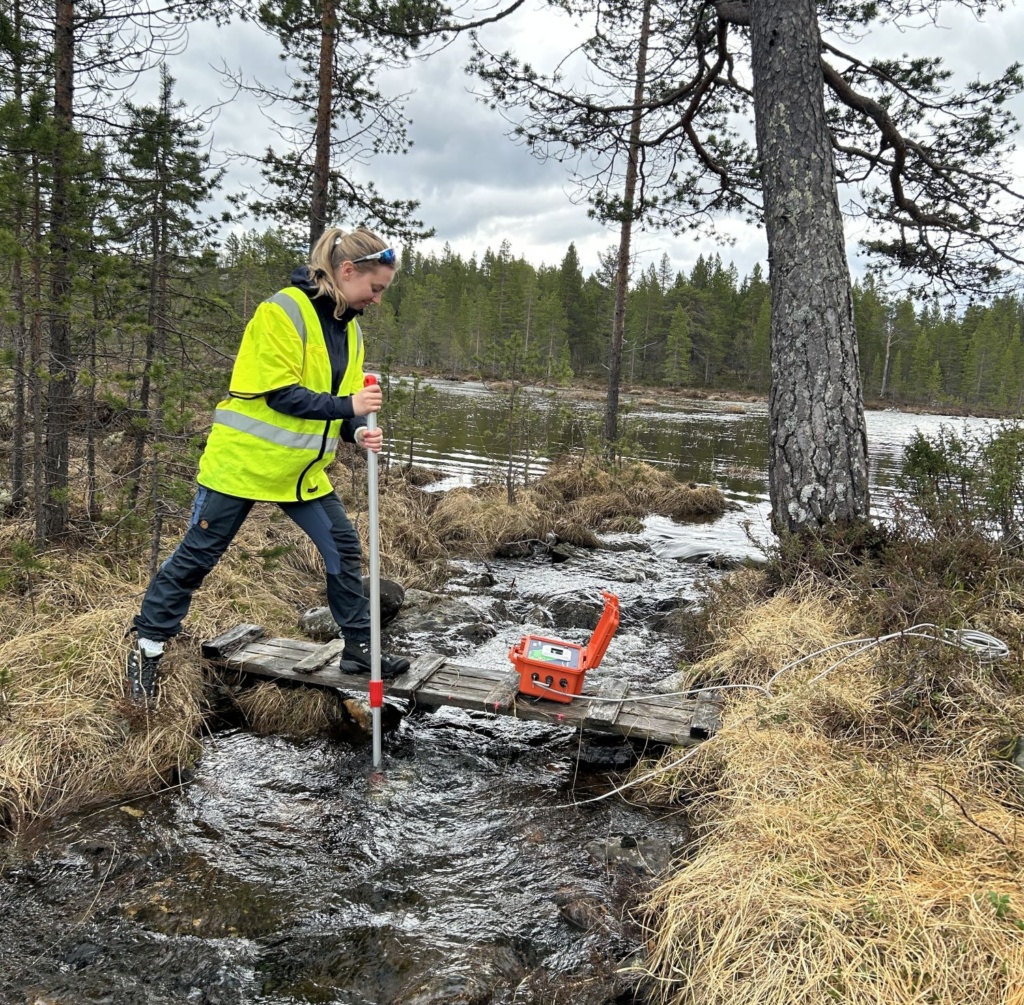
Ahead of fieldwork, Geosyntec held a training session with Sydvaranger employees in Kirkenes. The team received an overview of new measurement methods that will help Grangex comply with legal requirements and industry standards.
— It’s very exciting to be part of this work – it’s not only about restarting Sydvaranger but also about supporting long-term environmental efforts. Being involved in everything from baseline studies to the design and follow-up of monitoring programs allows us to support Grangex as they expand Sydvaranger’s operations. We get confirmation of what the environmental impact is, which measures are effective, and for Geosyntec, it’s valuable to see how our forecasting models hold up against reality, Fredrik concludes.